
In previous lessons we talked about the opening image of your story, stating the theme, setting-up your main character’s journey, the catalyst and debate. Then, we broke into Act 2, covered the B-story and characters, plus had lots of fun and games along they way. We traversed all of that just to get to the ninth beat of the Save The Cat story structure: the midpoint.
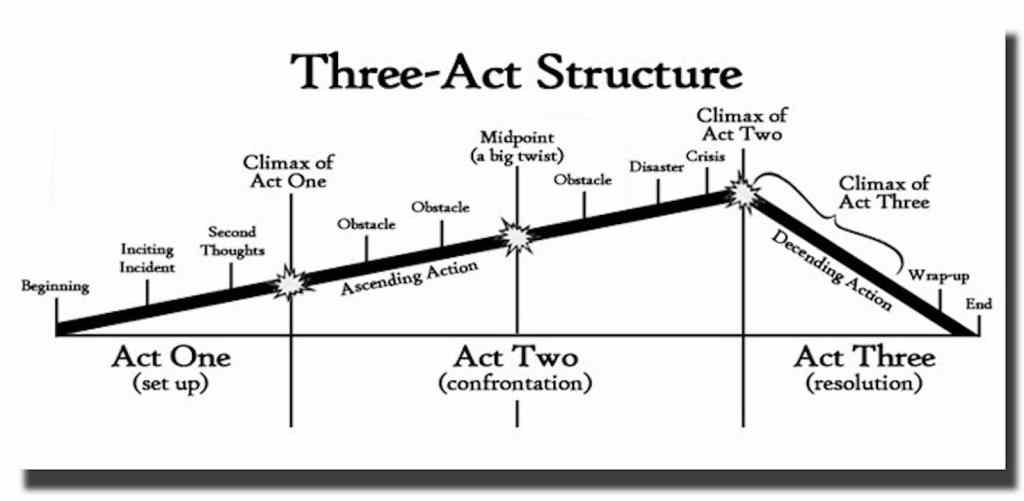
The midpoint takes place in — you guessed it — the middle of your story. It begins at roughly 50% and involves multiple scenes, often ties multiple plots, and makes up to 25% of your story. This point in your characters journey is the highest point, the peak, the pinnacle of their journey so far. Remember, by design, every beat should raise the stakes, cause more friction, provide more drama and tension.
For better or worse, as circumstances intensify for your main character, here is where you, the writer, can give them a little break. My advice is to give them the exact kind of break they do not want. The kind that may seem good on the surface, but will actually wreak havoc.
Why? Because in storytelling, the more obstacles the better. The more your character is wrong about their new workd and themselves, the easier it is to increase, to ratchet-up, the tension as your story moves forward.
Goals, Flaws and Wounds
Midpoint is where the audience sees a false victory or false defeat. Your hero might meet their initial goal. Maybe they get the promotion they’ve been after, or they start fitting-in and really feel like they’re mastering this new world.
They get the thing they want, but not what they need.

Remember how we talked about the Flaw being a manifestation of the inner wound (aka inner need)? Because the hero is never consciously aware of their inner need/wound, your protagonists journey is multi-layered. The midpoint solves the surface layer issue in a way that exposes the inner layer. Like the people we read about who put all their time and effort into getting rich and famous, thinking if they could just have that, they will finally be happy. But then they get the fame and the money, and are more miserable than ever. In this same way, your main characters desire (their goal) is a manifestation of their inner need (their wound).
This Midpoint beat should raise the stakes for your character and force them to narrow their focus, to really hone-in on the thing they want. Maybe change their tack in chasing what they’re after. If you give them a false victory, then it’s exposed in some way, forcing them to double-down on their goal, unaware that they are chasing the wrong thing. This is often a good place to introduce a deadline to ratchet up that tension. If you’re working on a love story or rom-com, this beat is known as the middle-hook.

The hero and the love interest are forced together and the romantic tension increases. This is also the stage where we see the protagonists perspective begins changing. They make moderately different choices than they would have made in the opening scene, but they are still not as open as they need to be. They allow themselves to consider the “what-if’s” but not for long.
If you find yourself stuck on how to manifest these internal changes, find stories like the one your trying to write and read, read, read. Read what you want to write. It works.

 A.R. Rivera